
What We Called the April Poems
There is something to be said of celebrating successes, no matter how small they may be. During the difficult days we've faced throughout the last few months, this feels more important than ever.

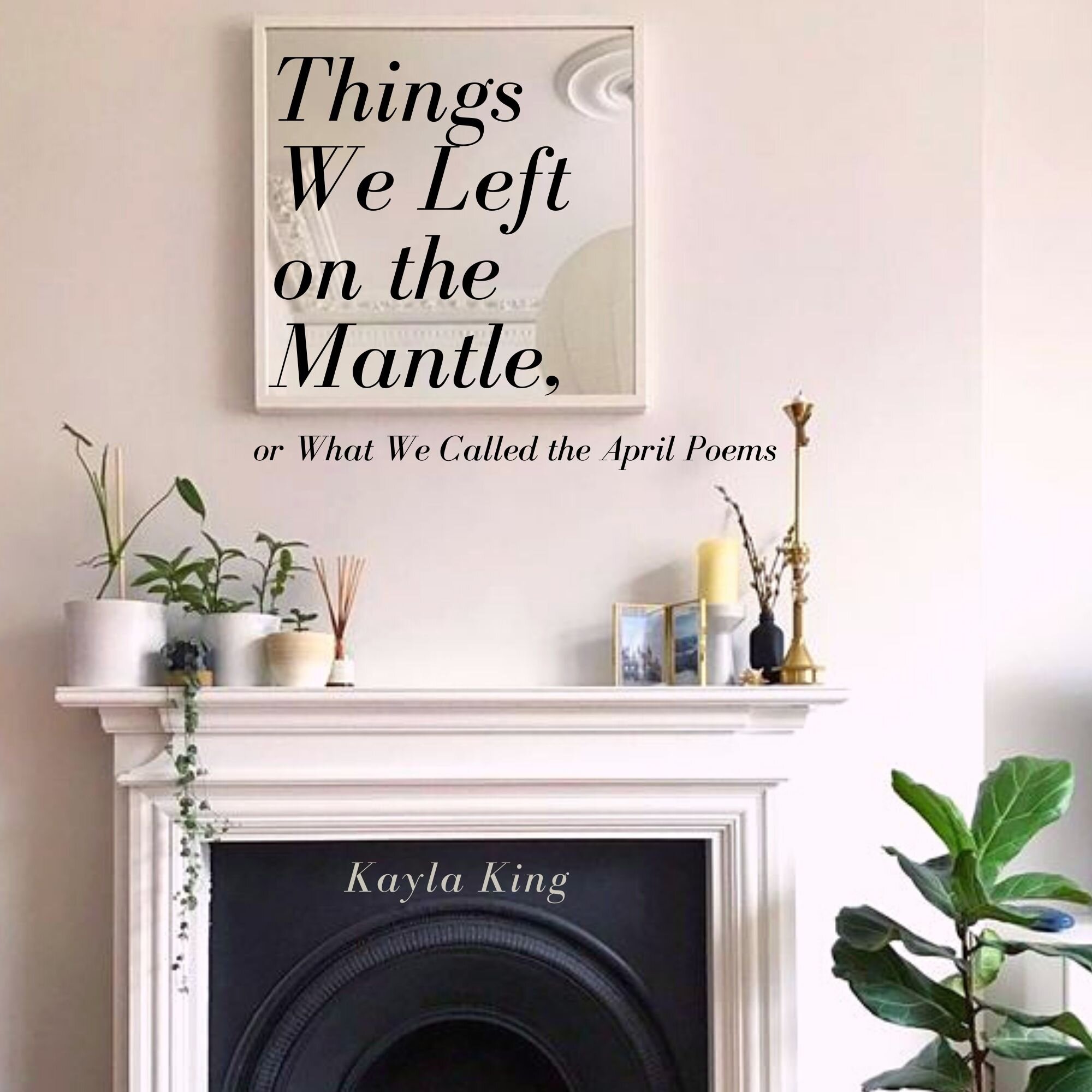
In an attempt to celebrate my friends' birthdays, I collected the 30 poems I wrote during April into a book. Now titled Things We Left on the Mantle, I couldn't help but include the additional moniker: or What We called the April Poems. This name was lovingly given to these gems in the months since being written exclusively on my iPhone’s Bear app.
This book is dedicated to the bests who live on opposite coasts, but never fail to come together on FaceTime to remind me that goodness can obliterate even the darkest of days. But it must be said, that the endeavor to follow National Poetry Month to its end would not have been possible without the daily feedback from Amanda K. and Uriah, the additional words from Amanda M., and to the fellow writers from One For One Thousand for their existence and unknowing reminder that photos can do wonders for framing narratives.


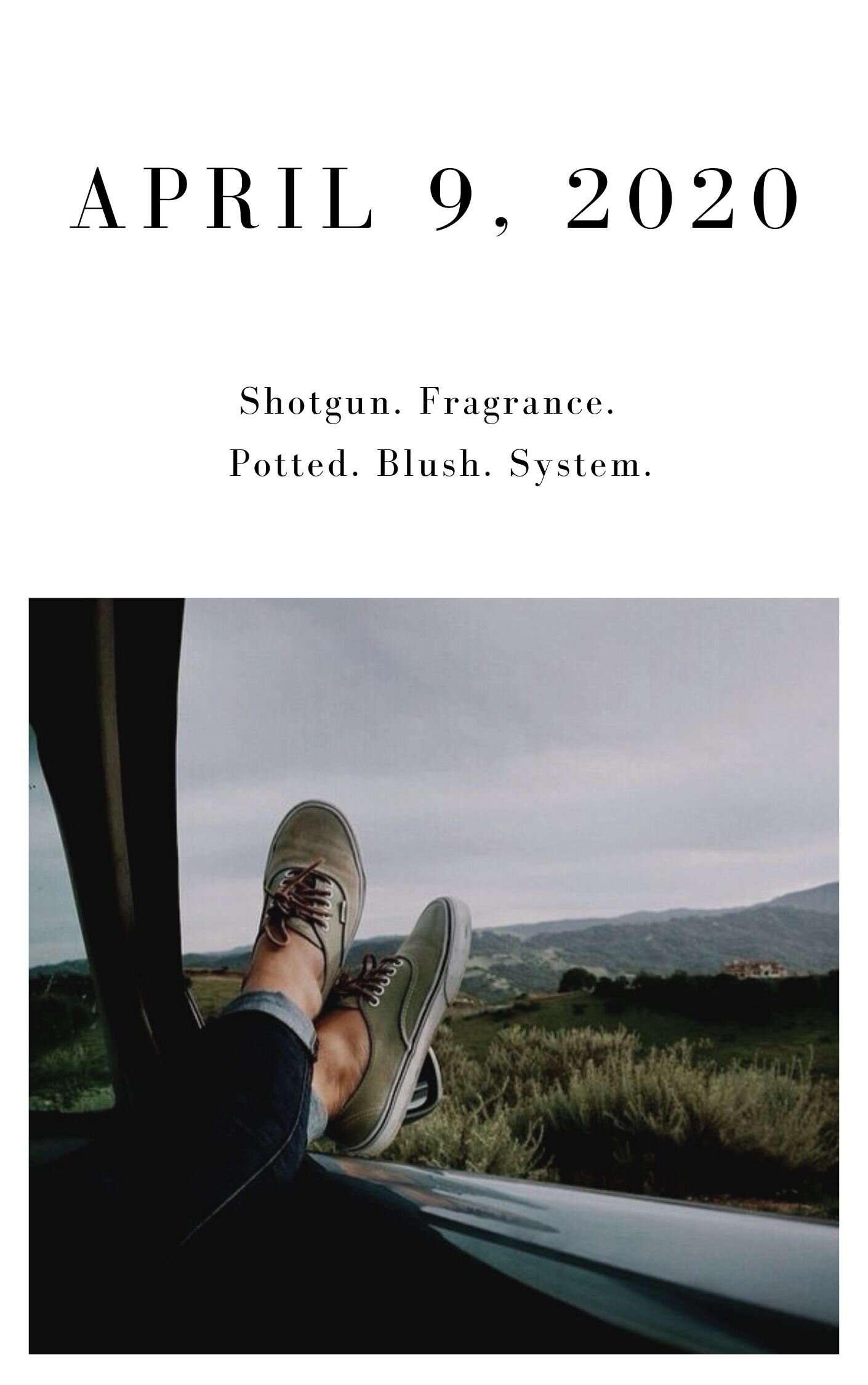



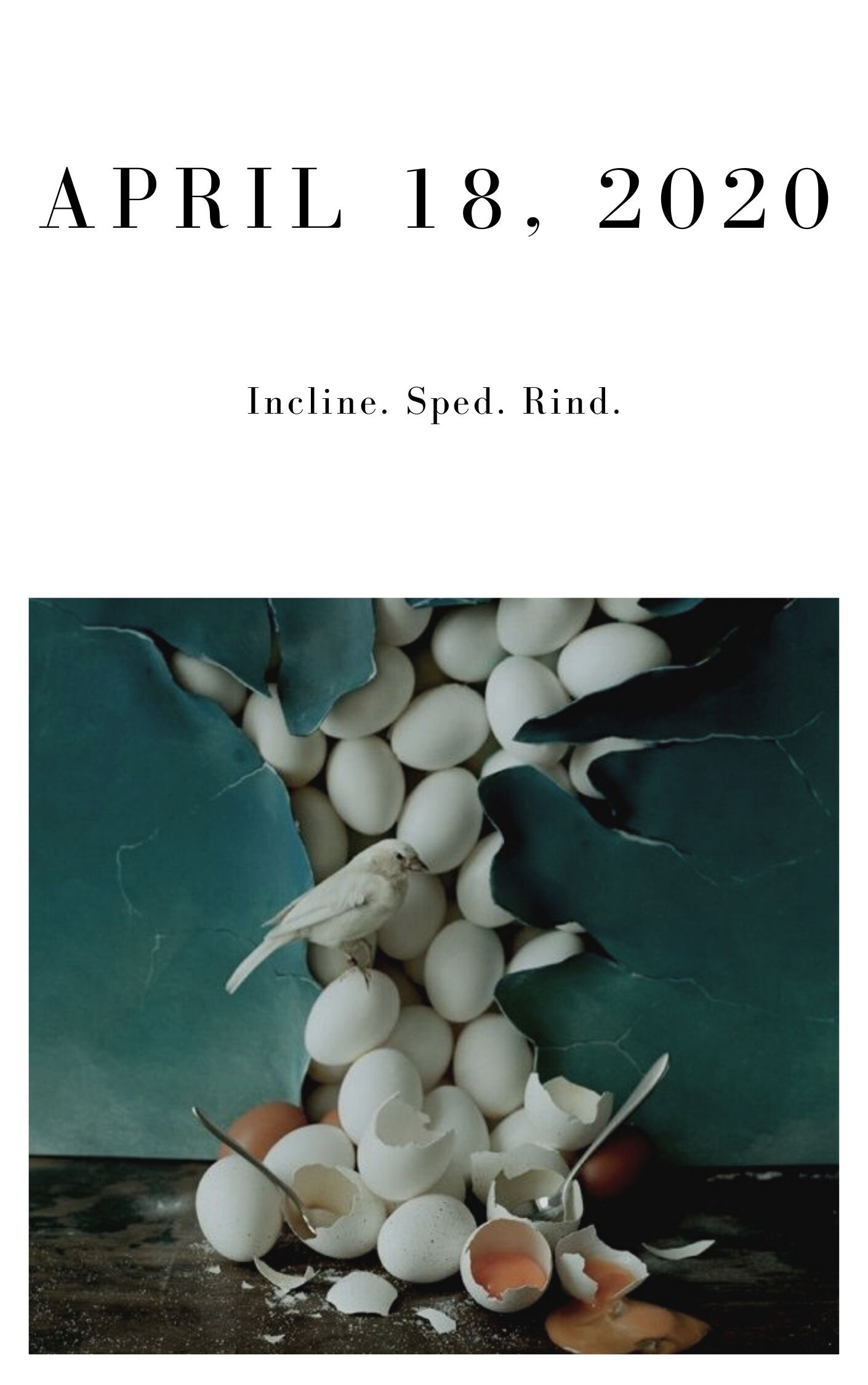
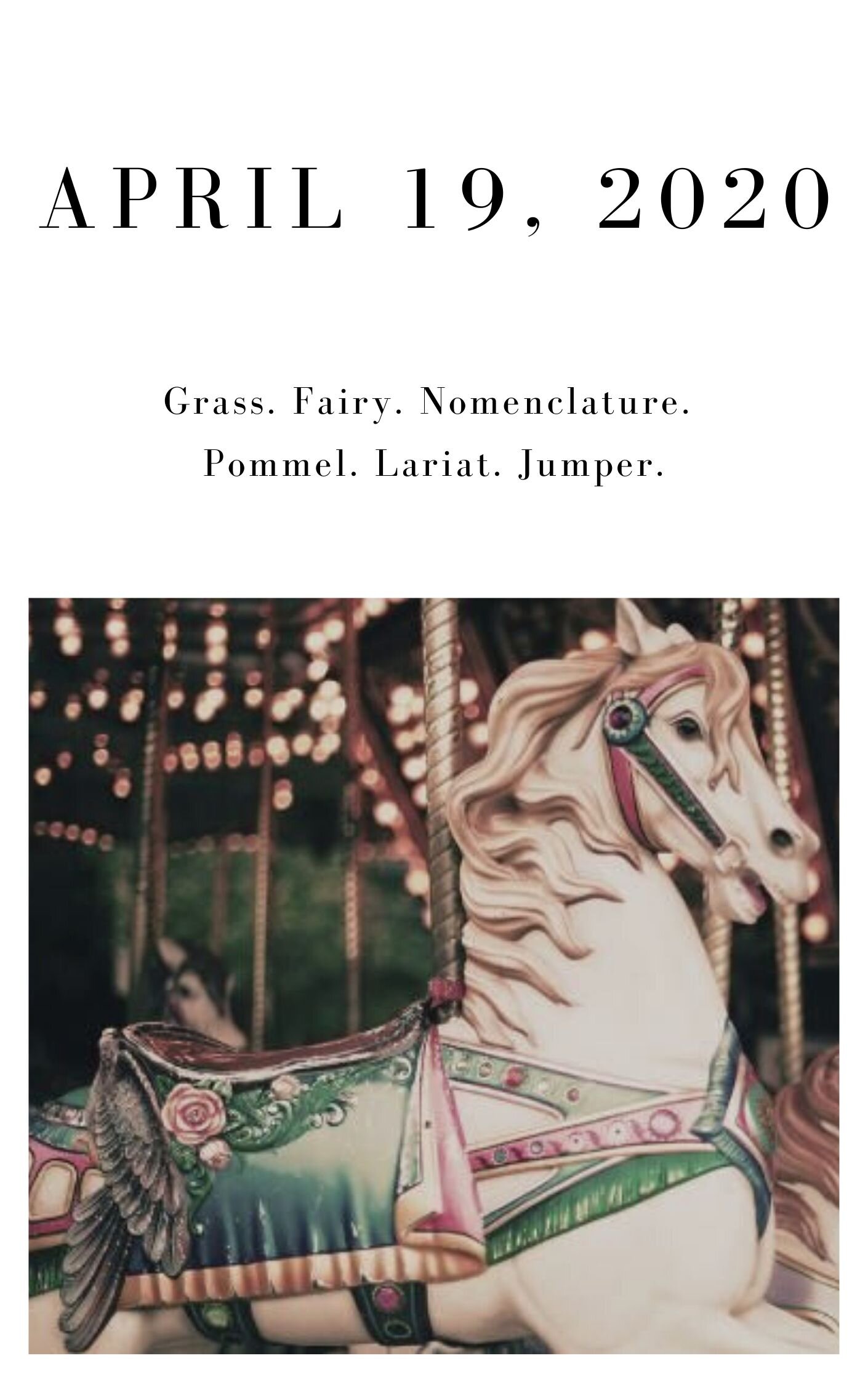
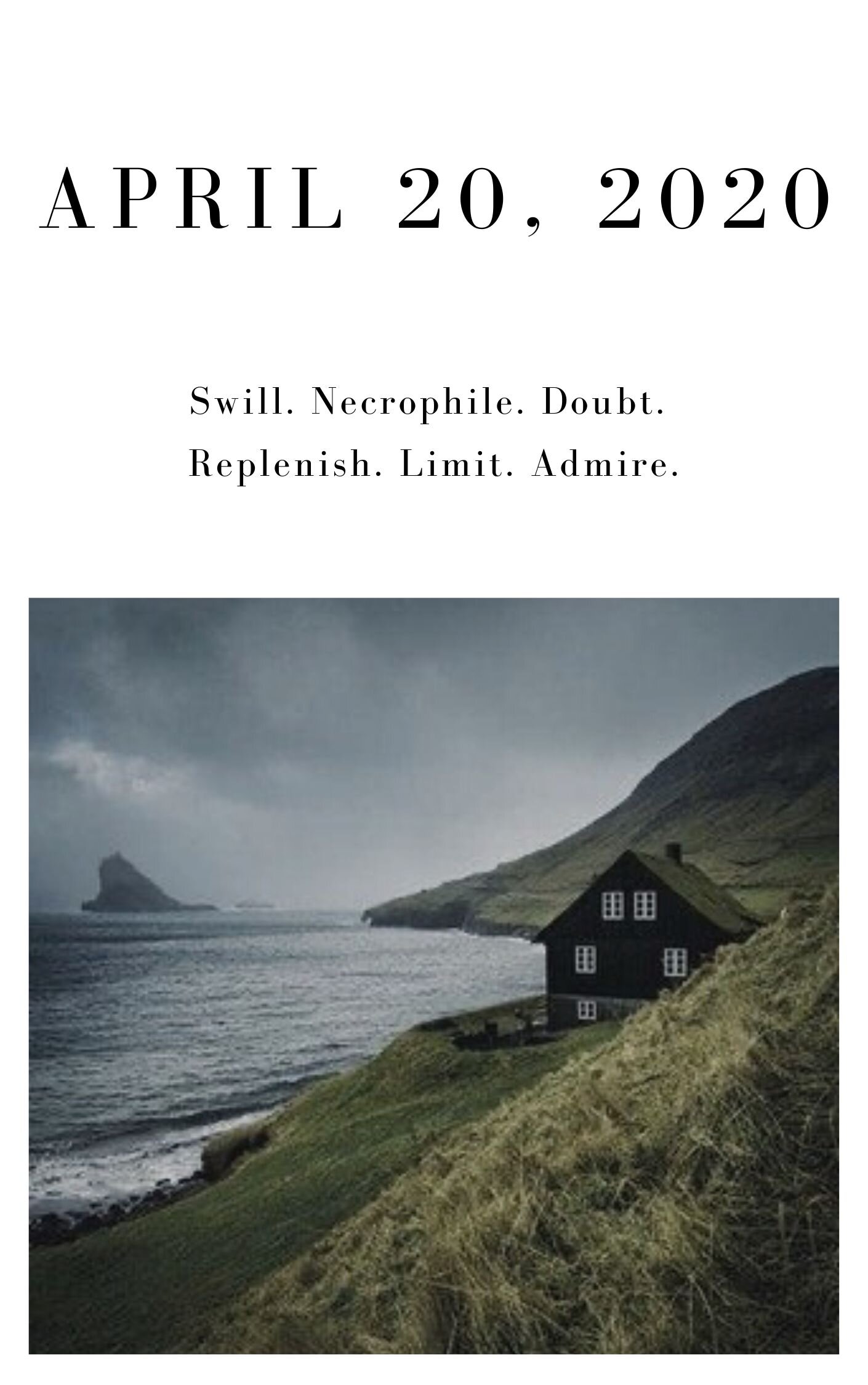
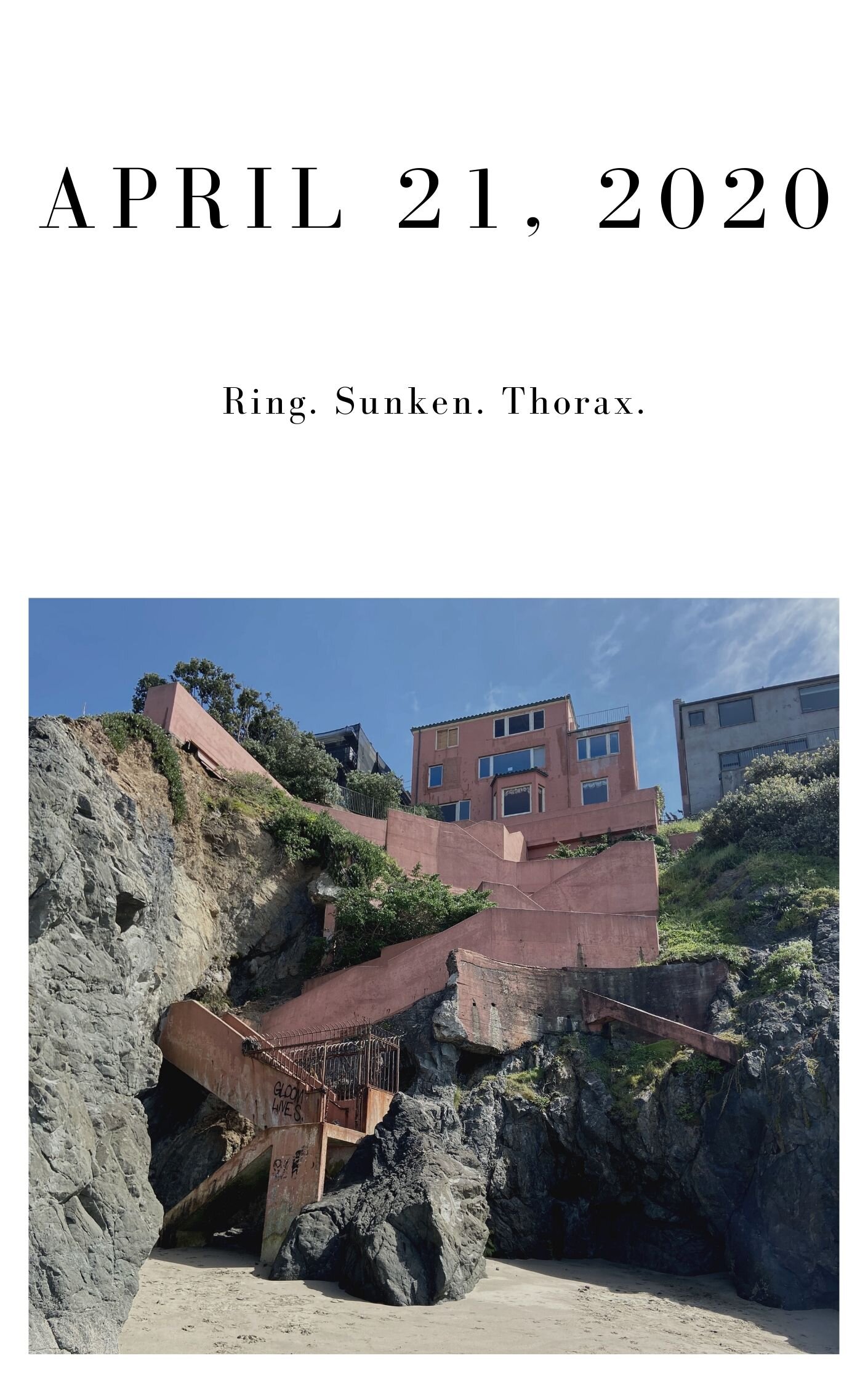


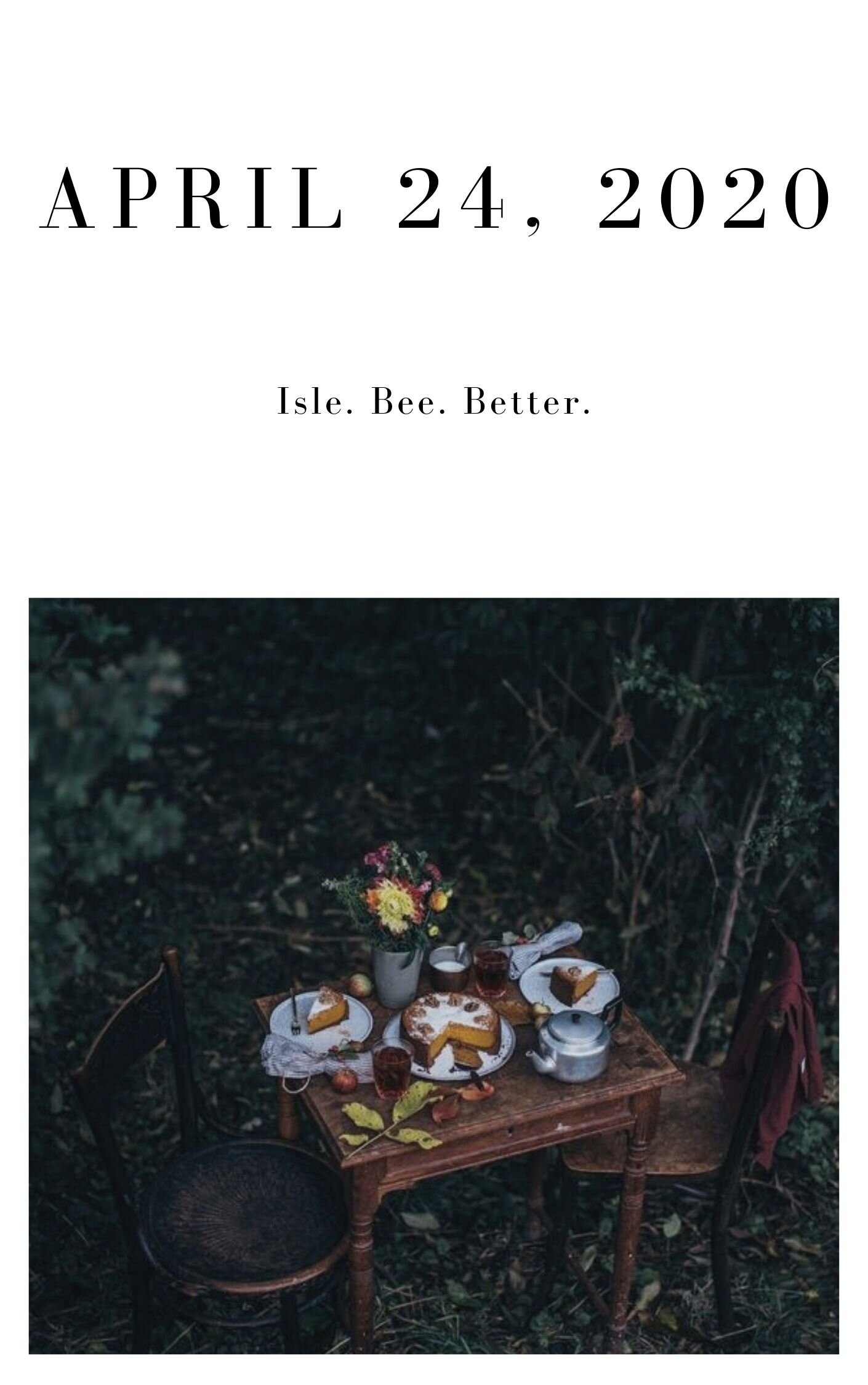
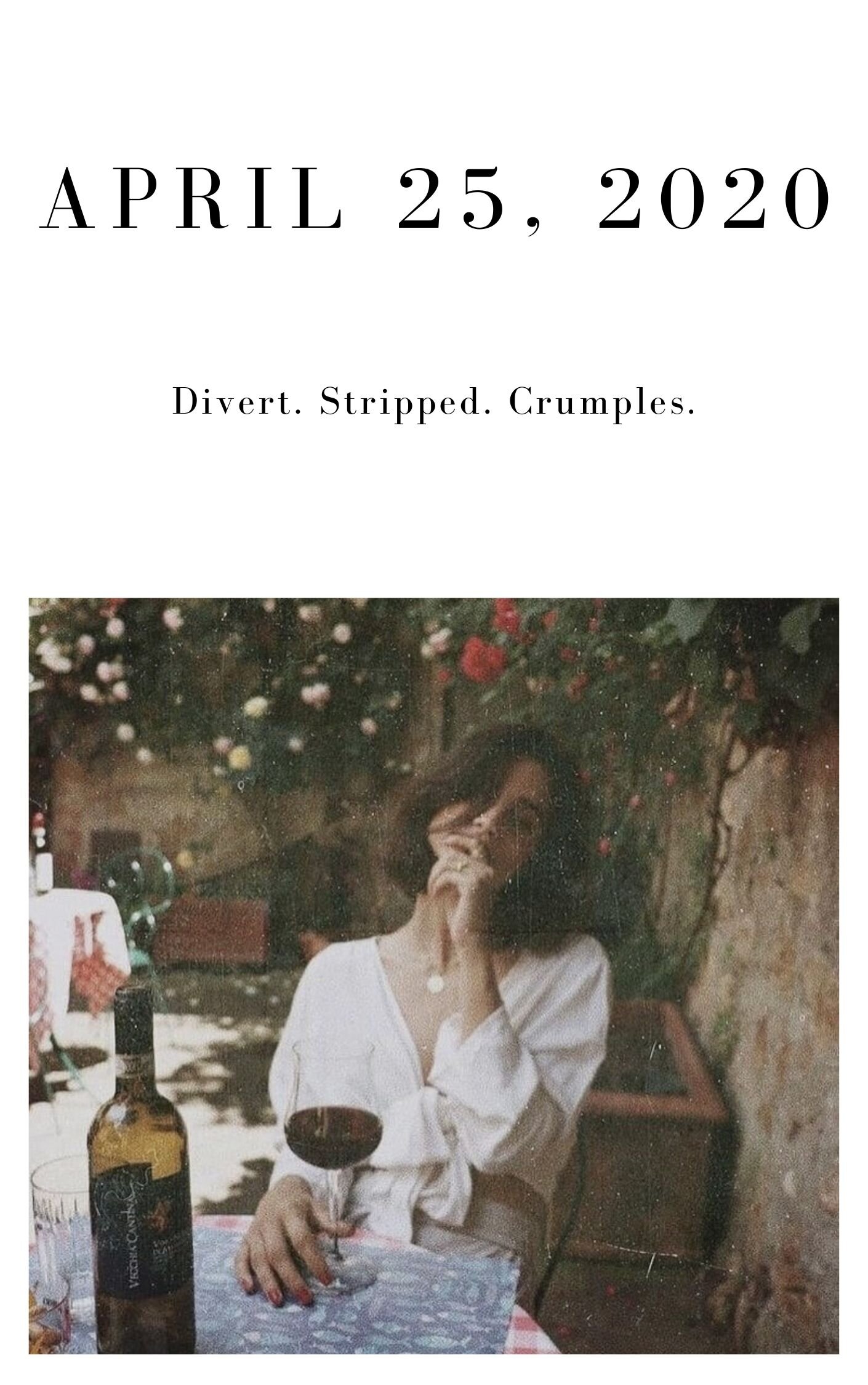
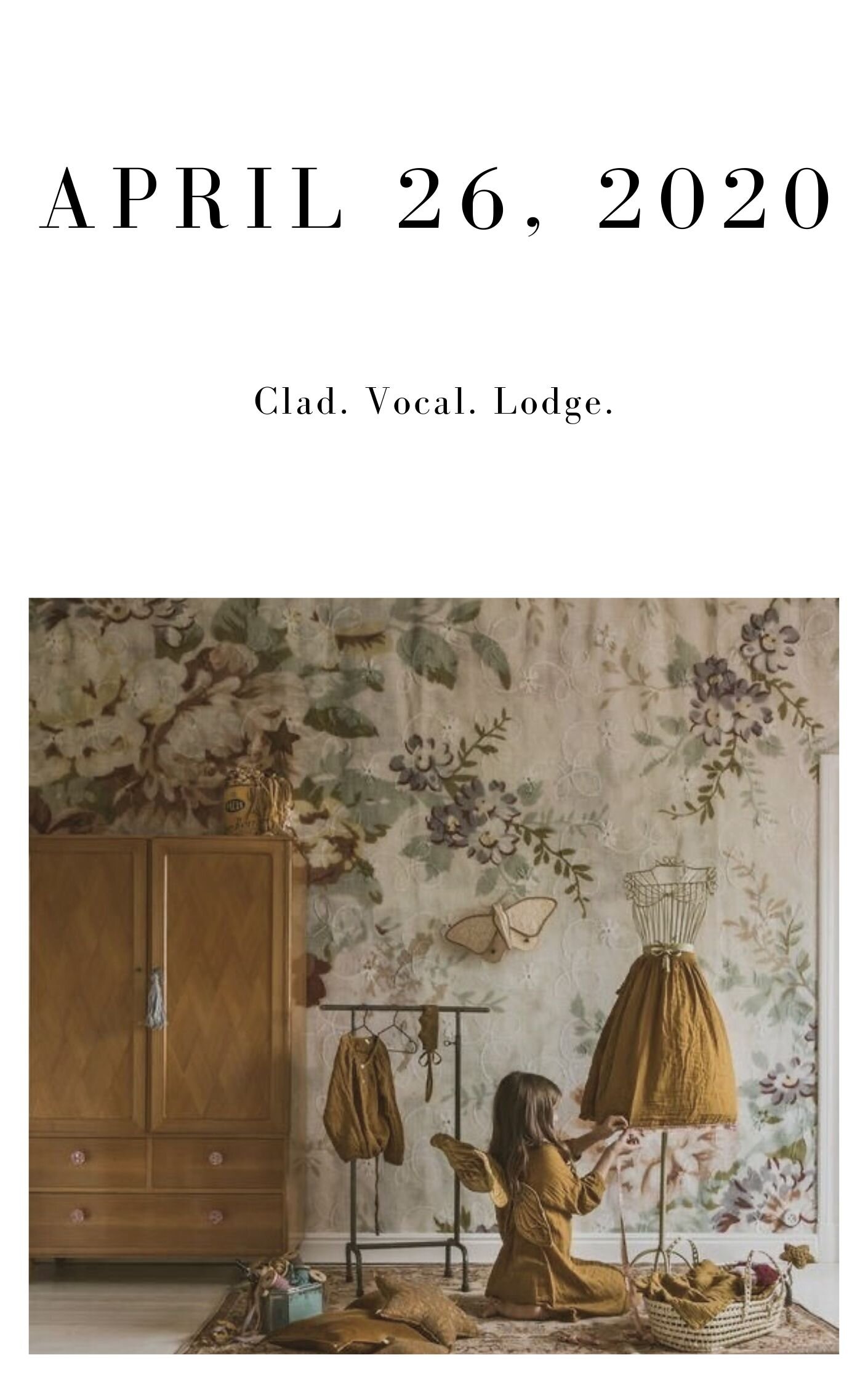
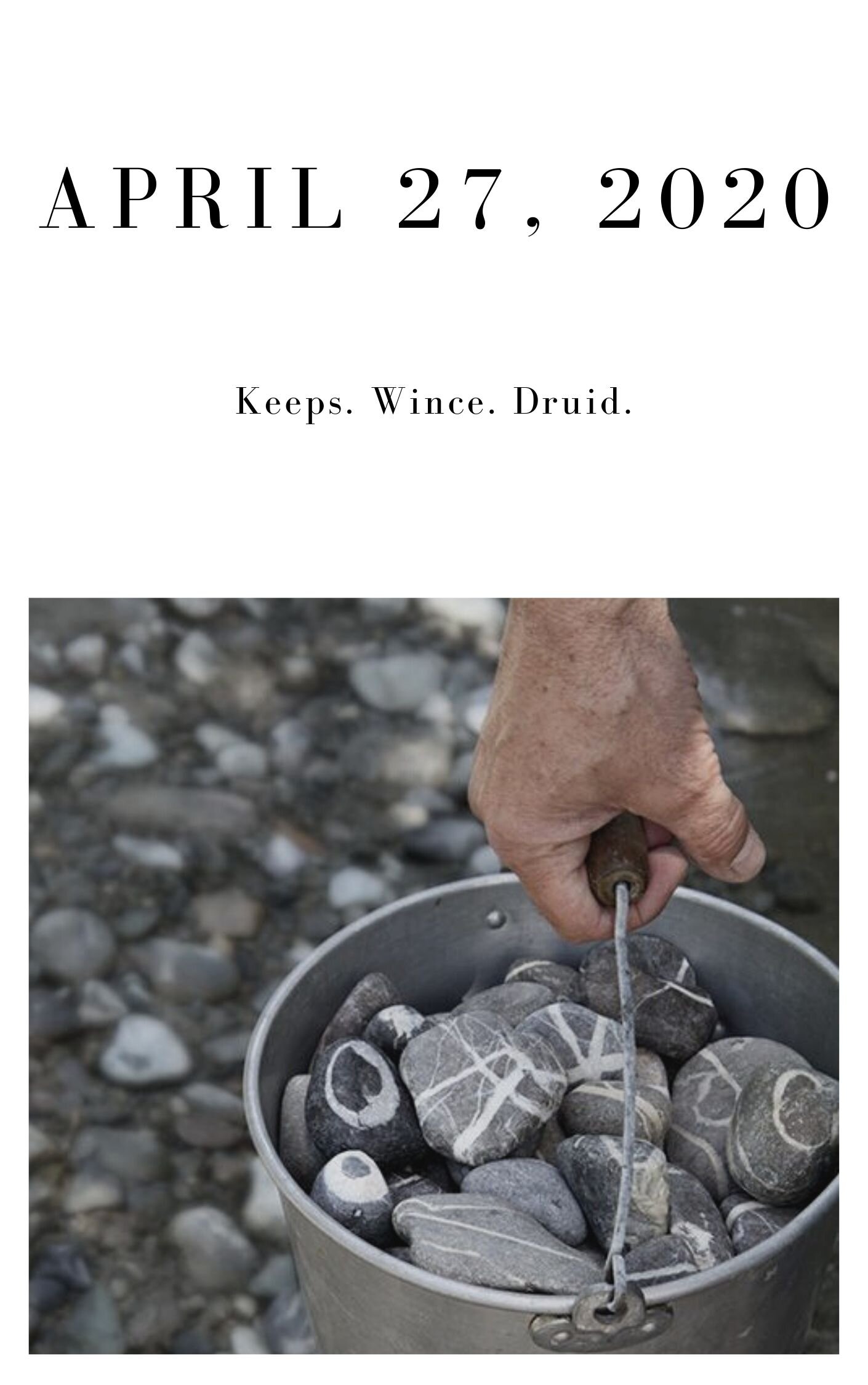
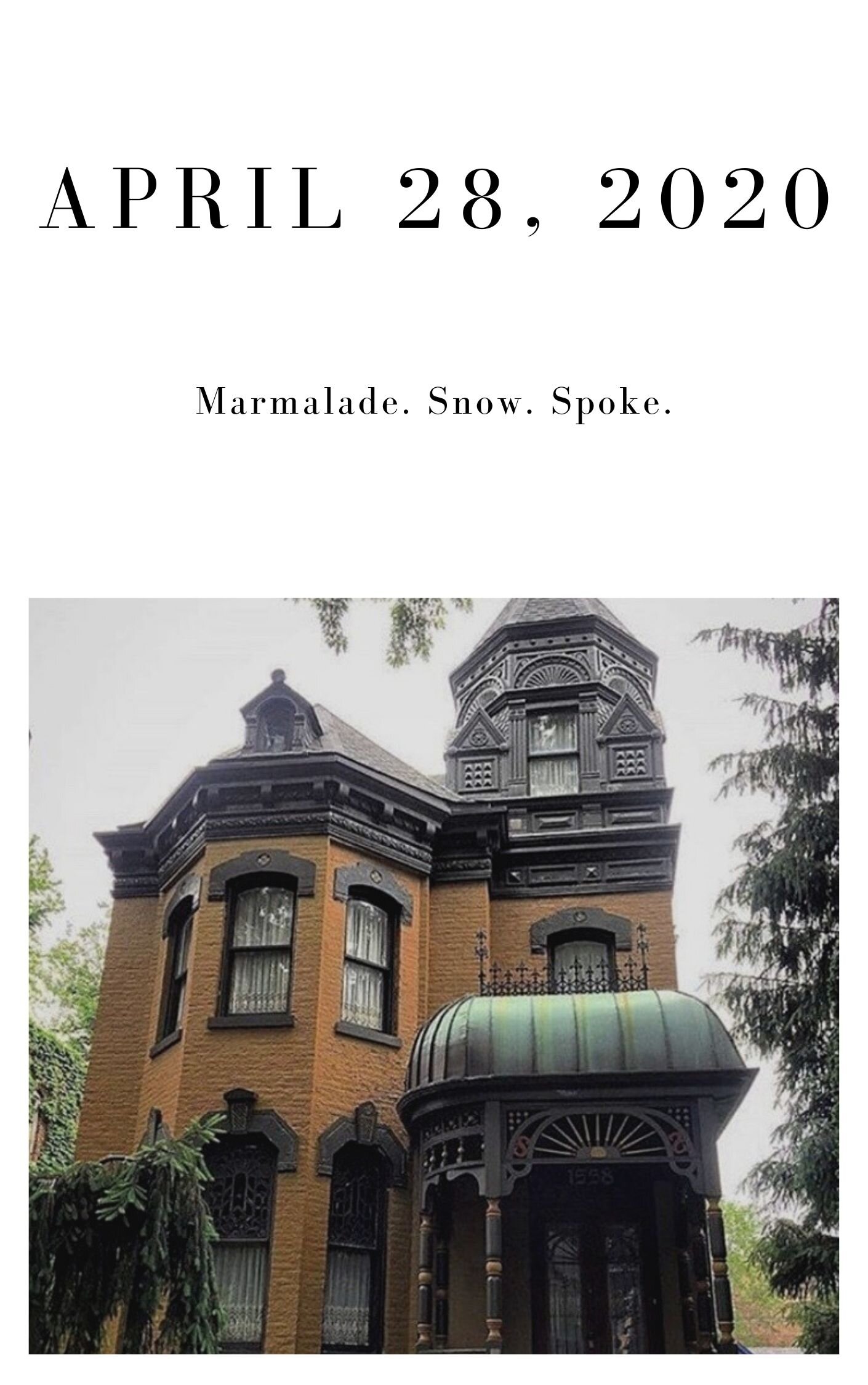
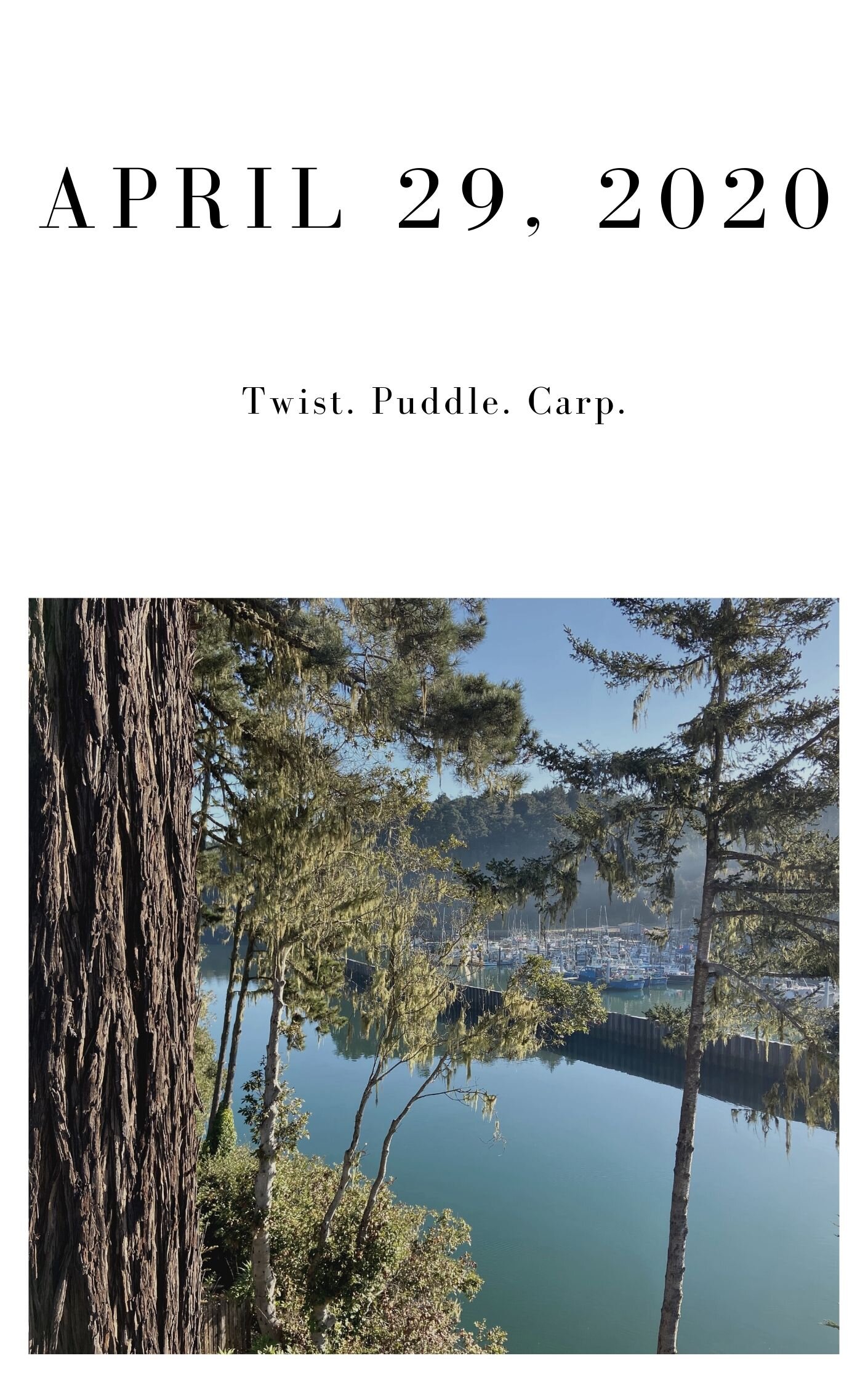
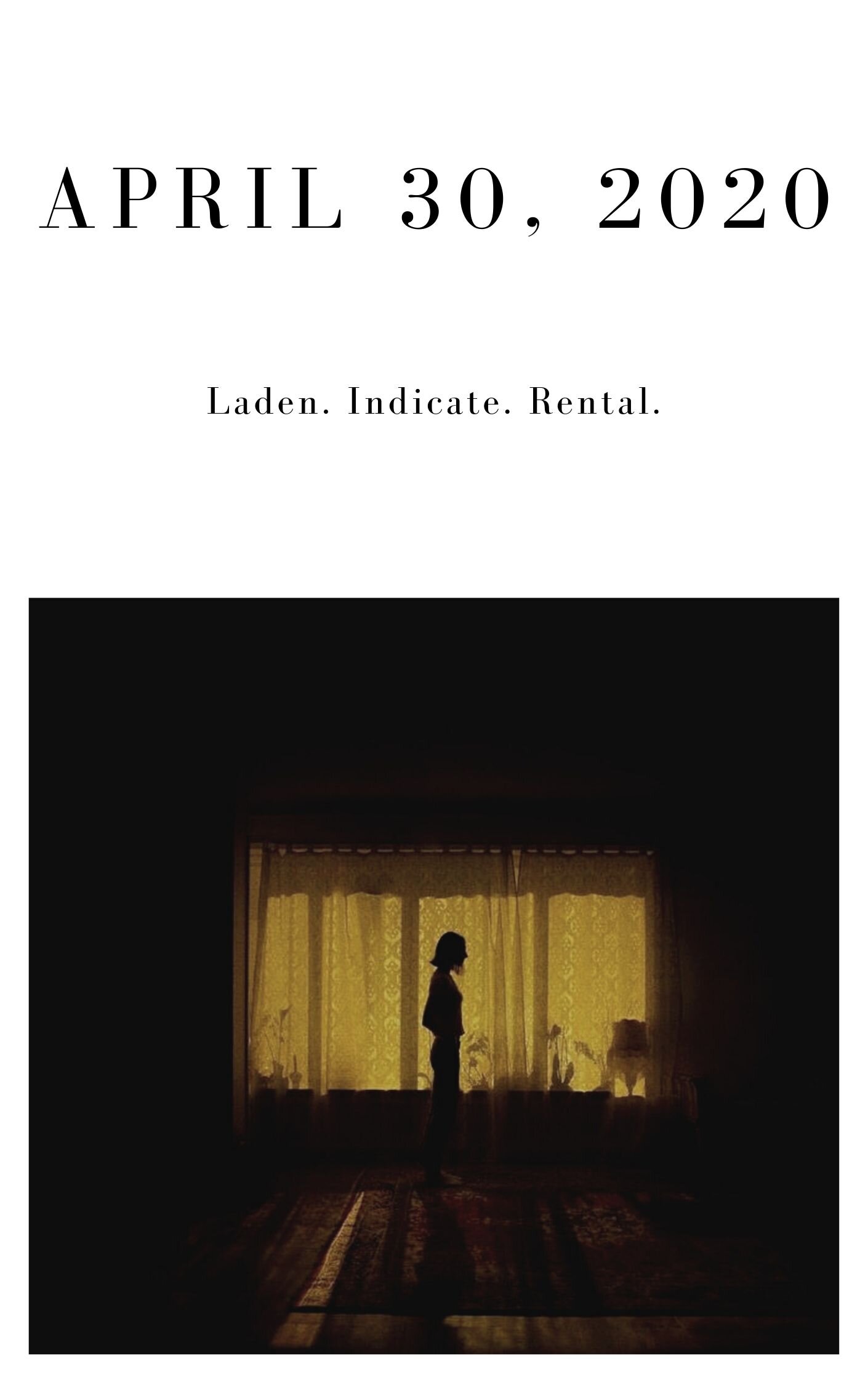
Through compiling those daily words and poems into a tangible book, I found myself celebrating not only the accomplishment of persevering, but also the beauty of vulnerable words, some true, most only half, but penned into existence nonetheless. And though this collection is unpublished, unedited, and perhaps only temporarily titled, it became real the moment the words left my mind.
So why are these specific poems so special if they're unpublished, unedited, etc?
I think too often writers and non-writers alike get caught up in the validation of someone else proclaiming words matter. Or that those words are only important once published and placed in the world. Don't misunderstand, dear, reader, the feeling of publication is a uniquely boasting and bashful beast, one which continues to thill every time. However, I've come to the point in my writing journey when I know enough to take a breath and a minute to revel in my ability, to feel gratitude for my perseverance, to agree when people tell me they love my big, beautiful brain. I love it, too. I'm trying to find that happy medium between humility and pride, and I think this book has struck that balance.

What makes this year noteworthy?
You didn't really ask, but I suppose it's something, dear reader, that you may wish to know. While I attempted to write poems throughout the months of Aprils past, this was the first in which I accomplished one every day for the entire month.
But where does such a compulsory urge to write every day come from?
Well, such an entreaty always feels necessary during National Poetry Month. It's my way of honoring my life as a poet, as a reader of poetry, as someone who picks apart song lyrics in the hopes there might be lyrical poetics beneath the production. The more poems I wrote, the more I wanted to write. I found safety on the page.
What made this April so different from those in the past?
While staying safe inside the walls of my home, I found the need to escape into words more desperately than ever before. Working on the daily poems felt profound and cathartic and steady during the early weeks of upheaval. For the first 8 days of the poems, the narrators never ventured beyond closed doors. At the urging of one of the bests, I took April 9th on a road trip just to feel like I, too, was experiencing the outside world while maintaining social distancing. And there was a sense of the exceptional each time I followed the rules I set forth.
Why would you impose rules on yourself?

Great question, dear reader! Some many years before now, I started sending stream-of-consciousness writings to the other best. Many poems came out of such efforts. To make these more difficult, we started assigning words for the other person to incorporate. Thus the first, but most useful rule was integrated into my month-long project.
Rule #1: Three words
Some days there were more than three, but every day had words provided by someone other than myself. Only one word was left out, but I promise, it was quite difficult to render within the writing, and that was after I was able to successfully include the word necrophile. There is a thrill I get at finding a rhythm to the writing, being guided by those assigned words. Sometimes it felt like a steady rainstorm, other days an endless spiral.
Rule #2: Stream-of-Consciousness
This seemed like the most obvious to apply, as it ensures the ephemeral is captured on the page without overthinking. I'm habitual in my need to overthink, but staying true to the fleeting feel of words being written all at once without editing helped hone my voice and strengthen the craft of the poems as the month progressed.
Rule #3: Don’t look back
While this may seem like it goes hand-in-hand with the second rule, I can assure you, this extends beyond the moment of writing. Throughout the month, I didn't look back to find a theme or central character or to edit any previous days' poems. But most interestingly, my obsessions were still there, certain characters and stories and themes all found their way to the page regardless of my manufacturing. That, dear reader, is the true magic of writing.
What comes next?

Well, dear reader, I hope Jonathan Groff narrated that message in your mind. Now I take a minute to read through the collection as is, relishing the tangibility of pages, thinking back on the photos that only added to the challenge of crafting these 30 poems. After that, the real work begins. I’ll revise. I'll submit to literary magazines. One best friend will edit the hell out of the writing and maybe help arrange these poems. Or maybe the poems will remain in date order. Another best friend will listen to me narrate this collection over the phone, though she is many states away. And when it's time, I will send out the full collection, and hope for real publication.
And when that day comes and this book is real for you, too, dear reader, I hope you will find words that break you, if only just a little, stanzas to heal the hurt, memories to reflect on three years from now when we only whisper about the tragedies beheld in the year 2020.
Until then, reader, I hope you are well and safe. I hope you are paying attention to the world and speaking up as we battle injustice and hurt. I hope you are healing and growing and becoming better in every possible way.
One last thought in regards to what I’ve called these April poems. There is a reason we leave things on the mantle, dear reader. We wish to remember.
This book is me remembering.

Words Read to Revive
When I revived my penchant for poetry two years ago, I never thought I would complete enough work to one day collect together as one. In that return to the page, I discovered my voice as a poet. Along the way, more poems took shape, finding their place in my debut micro-collection of poetry, These Are the Women We Write About. But even with the publication of that first book of poetry, I never stopped writing. And now all this time later, I finally have a full-length collection filled with words read to revive my belief in being a poet.

So how did I complete this collection?
1.) Line By Line
Most of the poems written were done so line by line. And many of those lines existed only in the Notes app on my iPhone before finding a forever home. I’m not sure what it is about certain lines of writing that demand to be made into poems instead of short stories or chapters in a novel. After too many years spent obsessed with the beauty and wreckage created by poetry, all I know is that sometimes a line demands the concise freedom to exist in a poem and nowhere else. With this knowledge, it’s easy to continue on to the next line, the next stanza, the next poem, etc.
2.) Oblige Obsessions
While I didn’t set out with a theme or an overall concept when I began writing these poems, somehow they made sense. Unlike writing novels or short stories, there was no precise destination in the poetry. Instead I followed my obsessions: bones and lies and leaving, whales and sirens and seas, memories and maps and mothers. These words and images appeared again and again, and I never resisted them. I couldn’t. Instead I obliged them, allowing these obsessions of my mind to persist all the way through 42 poems.

3.) Purge the Poetry
As is an unavoidable side effect of writing, most especially in writing without looking back or knowing the end, I found myself with a plethora of poems. Many pieces were written from three words, sent by the best friends to be incorporated into stream-of-consciousness writing. I tried to complete one SOC each day in April for National Poetry Month. While I didn’t quite succeed, I did have 23 pieces in need of elongation to make them into full poems. Following the completion of those edits, I was left with some much loved poetry, but not everything felt like it belonged with the growing connections made between preexisting poems. And thus, the great purge occurred. Perhaps those discarded works will find a way into another collection someday.
4.) Trace the Threads
Though this next part of the process seemed rather simple from the onset, the organization of this collection was anything but. After determining which poems didn’t fit well enough with the rest of the work, the threads within the project tightened. However, even knowing the general feeling wasn’t enough of a guide for assembling the project. There were too many stories and arcs and possibilities. The cohesion of the collection made sense in the back of my mind, but never in trying to organize these poems, many of which felt too surreal and ethereal to fit with the other more realistic poems about grapefruits, overgrown manicures, mint juleps, cow lungs; mundane moments turned to magic on the page. This is what I’ve always loved about poetry. But in the end, these were the exact threads I traced throughout the poems in order to find some small perfection in the final organization.

5.) Read. Read. Read.
After nailing down the structure, I still found myself needing to read the work out loud. This is not unusual, but rather, an absolute necessity for all my written work. It becomes an incantation, those words read to revive love and belief in a project. This time, the best friend insisted I read the collection over the phone in its entirety. It was a much needed addition to my usual practice. Hearing feedback in real time and feeling the flow for the collection as a whole was crucial in helping me realize there was no work left to be done.
6.) Letting Go
Leading up to the finalization of this project, I researched and implemented all I’d learned on my submission spreadsheet. And yet, after so many years spent working to collect these poems, the biggest difficulty might be letting go. But alas, now is the time for taking chances. Now is the time for belief and perseverance, for deep breaths and pride is such an accomplishment. Now is the time for letting go.
